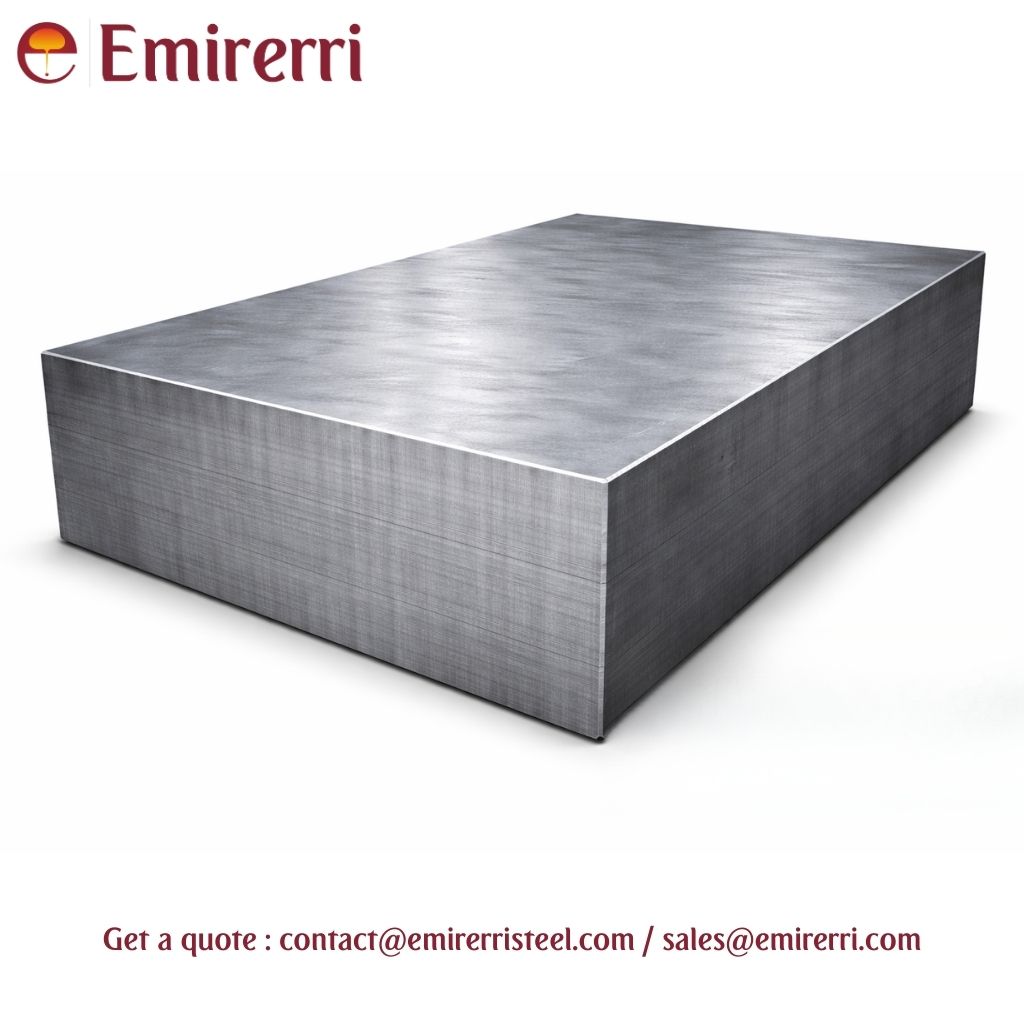
AR500 Abrasion Resistant Steel is a premium high-hardness wear plate designed for applications that require exceptional resistance to abrasion, impact, and material wear. With a typical hardness of around 500 Brinell Hardness (HB), AR500 steel provides superior durability and a significantly longer service life compared to conventional carbon steel and lower hardness abrasion resistant grades.
AR500 plates are produced through a quenching and tempering process, which enhances their hardness while maintaining adequate toughness for heavy-duty industrial environments. This steel grade is widely used in industries such as mining, quarrying, material handling, construction, and recycling, where equipment components are exposed to severe abrasive conditions.
Due to its high hardness and strength, AR500 steel helps extend equipment life, reduce downtime, and improve operational efficiency in demanding industrial applications.
AR500 Steel Plate
AR500F Steel Plate
Key Features
Extremely high hardness of approximately 500 HB
Superior abrasion and wear resistance
Excellent strength and durability
Good impact resistance for heavy-duty use
Longer service life compared to lower hardness steel grades
Reduced maintenance and replacement costs
Suitable for severe wear environments
Reliable performance in mining and construction industries
AR500 abrasion resistant steel provides moderate corrosion resistance, similar to conventional carbon steels. While it is primarily designed for abrasion resistance rather than corrosion protection, it performs well in dry environments and moderate atmospheric conditions.
For corrosive environments, additional protection such as coatings, painting, or surface treatments may be applied.
Heat Resistance
AR500 steel can perform effectively at normal operating temperatures. However, continuous exposure to temperatures above 250°C – 300°C may reduce its hardness and abrasion resistance.
For applications involving high temperature environments, specialized heat resistant materials may be recommended.
Heat Treatment
AR500 plates are supplied in quenched and tempered condition to achieve their high hardness and strength.
Typical heat treatment process includes:
Heating to the austenitizing temperature
Rapid quenching in water or oil
Tempering to achieve desired hardness and toughness
Additional heat treatment is generally avoided to prevent changes in hardness.
Welding
Welding AR500 steel is possible with appropriate procedures and precautions.
Recommended welding practices include:
Preheating depending on plate thickness
Using low hydrogen welding electrodes
Controlling heat input during welding
Proper post weld cooling procedures
Common welding methods include MIG welding, TIG welding, and Shielded Metal Arc Welding (SMAW).
Fabrication
AR500 steel can be processed using modern fabrication techniques despite its high hardness.
Common fabrication processes include:
Plasma cutting
Laser cutting
Waterjet cutting
Machining with specialized tools
Controlled bending and forming
Grinding and finishing
Due to its hardness, proper equipment and tooling are recommended during fabrication.
Applications
Mining equipment and dump truck bodies
Excavator and loader buckets
Crusher liners and screens
Chutes, hoppers, and bins
Conveyor wear plates and liners
Recycling and scrap processing equipment
Cement plant machinery
Quarry equipment
Heavy construction machinery
Material handling systems
Get a Quote
Ready to enhance your equipment’s durability? Request a quote today or contact our expert team to discuss your project needs.